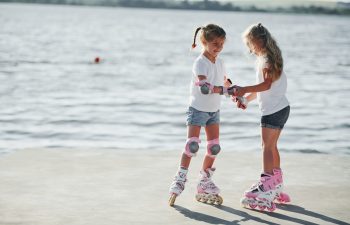

Your skating has taken a bad turn, and you’re now faced with a pretty bad wound from crashing and burning. Not to fear, there are some simple steps that you can take to properly clean, disinfect and treat the wound. Doing so in a timely manner and keeping up with the treatment of your wound will not only ensure that you don’t end up with an infection, but you will also be able to speed up the healing process. You can also prevent scarring by taking care of your wound the right way. Let’s take a look at the process from start to finish.
Applying Pressure to Stop Any Bleeding That’s Occurring
When you fall and scrape your skin, it’s likely that some degree of bleeding is going to take place. You want to use something clean and sterile to press up against the wound until the bleeding stops. This can be a clean cloth, gauze, etc. Apply a decent amount of pressure, and check the would every couple of seconds. When you notice that the bleeding has stopped or slowed, you can proceed with cleaning the wound.
Disinfecting the Wound
If you’ve fallen on the ground, you may have some gravel or dirt embedded into your wound. The cleaning and disinfecting process is incredibly important. Rinse it out with clean water and some antibacterial soap. Make sure you’ve rinsed the area really well. If you still see small particles or debris in the wound, use a clean pair of tweezers to remove them. You’ll want to repeat the disinfecting process afterwards. You can use alcohol if you don’t have access to clean water and soap, but use with caution. Alcohol can end up damaging the surrounding skin, which in turn will cause the wound to heal more slowly.
Applying Antibiotic Ointment
It’s always a good idea to keep antibiotic ointment in a first aid kit inside of your home and on-the-go with you. After your wound is clean, apply the ointment liberally to the area. Follow the directions that are detailed on the product that you’re using. Always make sure that your hands are clean while you’re applying the ointment.
Covering the Area
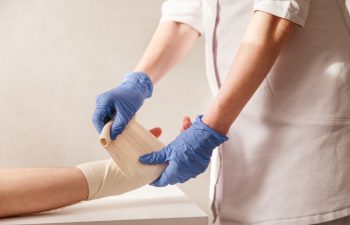
Covering the area once you’ve disinfected it will help promote healing while preventing infection and keeping debris out of this fresh wound. What you use to cover the area will depend on how big the wound is. A small scrap will do fine with a small bandage. You can use larger gauze pads for larger areas. If you have a wound on an area like your knee or elbow, you may need to use gauze wrap around the area. Bandages are more prone to fall off of areas that are bending frequently. You should be changing your bandage daily, cleaning and reapplying your antibiotic cream.
Watching Out for Infection
Unfortunately, any wound runs the risk of becoming infected. Even if you follow all of the steps listed above, you may still have a complication to deal with. There may have been something left in the wound while you were cleaning it, or you may have been exposed to some sort of pathogen when you were injured. Watch out for things like:
-the wound becoming very hot to the touch
-the wound looking very red and painful
-Puss or fluid seeping out of the wound in excess
-Pain that is spreading from the wound to the surrounding area
-Swelling in the area
-A fever developing with no other symptoms of illness
You may need to repeat this process a few times, depending on how bad the wound is. A lot of times, a small scrape will be able to heal quickly enough that keeping it covered for a day or two is all that you need to keep out infection and promote healing. If you opened up a pretty large area of skin, then you may need to keep the area clean, treat the area and change the dressing periodically. Always reach out to a medical professional if you’re showing signs of infection or the bleeding isn’t stopping on its own. An infection can quickly spread to other areas of your body if you’re not careful. You’ll likely need to start a round of antibiotics in this scenario. If you feel that your wound is too large to clean and care for at home, reach out to an emergency medical center for assistance.