
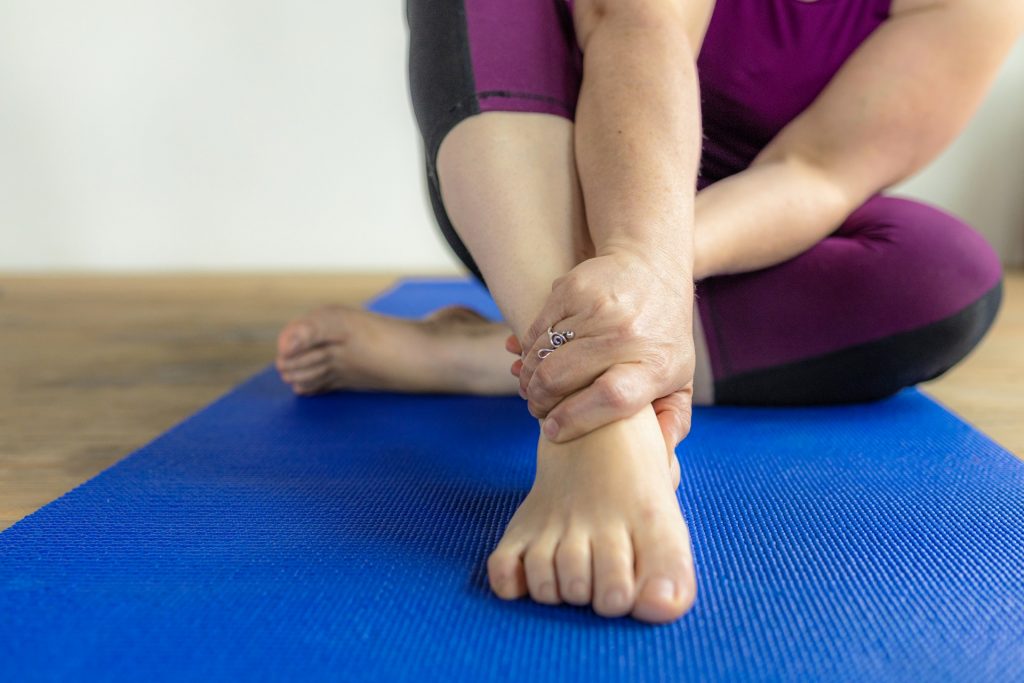
Sometimes, no matter how careful we are, injuries happen. When skating, a minor accident or two will certainly happen. The most common accident when skating is a sprained ankle.
Sprained ankles occur when the ankle either rolls, twists, or turns in an odd way. When this happens, ligaments (bands of tissue) that help to stabilize the ankle joint can stretch too far or even tear. Generally, it is the outer side of the ankle that will experience the sprain.
Symptoms of a Sprained Ankle
Symptoms of a sprained ankle can occur right away after the accident and may include:
- Pain and swelling
- Bruising
- Tender to the touch
- Range of motion is decreased
- At the timeof injury there may be a popping sound
- It may be hard to put weight on the foot and anle
Treating a Sprained Ankle
Treating a sprained ankle will depend solely on how severe the sprain is. It is always best to speak with a healthcare provider to determine if self-care is possible. If self-care is approved to treat the sprain, you may need the following:
- Over the counter medicine for inflammation and pain
- A wrapping/bandage for the ankle area
- Ice pack for reducing the swelling
- Elevating and resting the foot
Failure to Treat a Sprained Ankle
If you were to choose not to treat a sprained ankle properly, you could be at risk for further complications in the future. From chronic ankle pain to arthritis and instability, not treating a sprain will cause you repeated issues.
Prevention
As the saying goes, an ounce of prevention is worth a pound of cure. Prevention starts before you ever put on your skates. Always check your skates to make sure they are operating properly and fit well. If skates do not fit well or padding is misplaced, an injury will occur.
Also, assessing your physical condition is imperative. Never skate if you are tired, fatigued, or not properly warmed up. Other things you can do to prevent a sprained ankle or any injury are:
- Practice stability and balance exercises
- Stay in good physical form and flexibility
- Make sure your skates support your ankle properly
- Be mindful of the surface you are skating on
- Always wear safety and protection equipment
Seeing Your Doctor
If your doctor has already approved self-care, but you are still experiencing issues, it is time to schedule a revisit. If pain or swelling persists past planned treatment, you may have damaged something else and need to have the ankle X-rayed and evaluated further.
Frequently Asked Questions About a Sprained Ankle
Is it okay to walk on a sprained ankle?
Putting pressure on a sprained ankle is not advised. Walking or putting weight on the injury can further delay the healing process.
How long does it take a sprained ankle to heal?
Minor sprains can take up to three weeks to heal successfully. This will require proper rest and icing the ankle regularly.
Is there a difference between a sprained ankle and a twisted ankle?
A sprain and twist are similar; however, a sprain is more severe because the ligaments stretch or tear. With a twist, the ligaments twist and then go back to their previous position.
Will a sprained ankle get worse over time?
If pain increases or gets worse, then you will need to see your doctor. It is imperative to properly ice and rest a sprained ankle so that you can gain your mobility and stability back.
How do I know if my ankle is broken or sprained?
As noted above, the symptoms of a sprained ankle are very similar to a twisted ankle and a broken ankle. The primary difference between a break and a sprain is the immediate sharp pain when you break your ankle. Also, a break will generally keep you from moving the foot, whereas a sprain only reduces movement.
Ultimately, a sprained ankle is generally minor and can heal quickly. From prevention to self-awareness, sprained ankles and other injuries can be minimized when skating.