Inline skating can be used to reference a variety of activities. Unlike ice skating, inline skating is most commonly used on pavement. Often referred to as “blading”, these skates have several wheels arranged in a single line. Inline skating can be performed as an artistic form of figure skating, but is most known for its speed.
Inline Skates vs. Roller Skates
Both inline skates and roller skates are designed for hard surfaces. They usually look similar to boots with wheels on the bottom used for sports or mobility. The way they are each built allows individuals to master different types of movement for athletics and artistic skating.
Roller skating is the traditional form of skating. In the 1800s, this form of skating could only be done in a straight line. Many people consider the 1950s as the golden era of roller skating. Skating rinks were created throughout the United States to accommodate the activity. Roller disco became widespread in the 1970s and was used in rinks and clubs throughout the country.
As roller skating began to fade from popularity, inline skating emerged. Starting primarily in the early 1990s, inline skating was known as a faster way to skate. With its Active Brake Technology, early inline skates were considered safer. Both children and adults could easily use these blades due to a rubber brake hinged to the back wheel.
In the early 2000s, inline figure skating became a tool for ice skaters. This is now considered a competitive event with some manufacturers providing equipment for skaters.
Roller Skates
The main difference between roller skates and inline skates is the way each wheel is positioned. Roller skates have two pairs of wheels that are located on both sides. This was designed for a balance in weight distribution. The wheels are often much smaller in diameter.
Roller skates are often called “quad skates” because of their four wheels. Instead of some of the break practices used for inline skating, roller skates have a toe stop in the front. Depending on the individual, beginners may or may not like the toe stop due to an older design.
Roller skating sports include rollball, artistic skating and roller derby. Of the three, roller derby has claimed most of the attention. Roller derby is a contact sport that involves two teams. The game can cause injuries from other players or if skates are not used properly.
Inline Skates
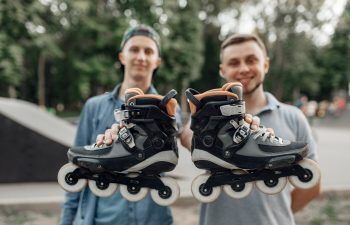
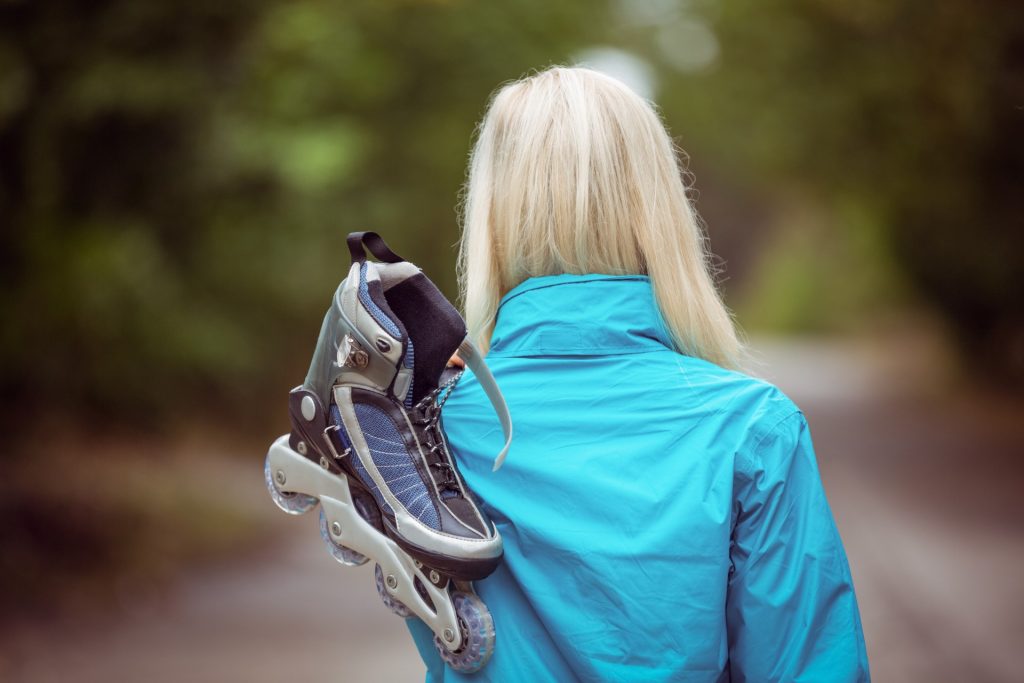
Inline skates have a modern appearance. Instead of two sets of wheels, each wheel is secured in a line on the bottom of the boot. Inline skates can have several wheels on each shoe or just a few depending on the brand and purpose of skating. Most inline skates have six wheels each.
For individuals who prioritize speed, inline skates are preferable to roller skates. These skates are used in a zigzag train and can maneuver sharp curves much more easily than quad wheels. Inline skates also take up less space. Because of the thin line of wheels applied to the bottom, skaters can weave in and out of narrow spaces.
Which Is Easier?
Inline skating provides a different level of stability than roller skates. Those who have long legs usually prefer inline skates for their balancing ability.
Roller skates tend to have less ankle support. Because the skates are shorter, they leave more of the leg exposed. This can be a benefit for those who prefer toe stops, but can also lead to a lack of total structure.
Both forms of skating take practice. Depending on the individual’s preference for braking and speed, one type of skate may be more suitable. Inline skating is often used for multiple activities including both sports and transportation.
Inline Skating Sports
Inline skating is used in a variety of athletic activities. By focusing on speed and agility, these sports are both complex and artistic. Some of the most popular inline skating sports include vert skating, aggressive inline skating, inline hockey, and roller soccer.
Vert Skating
Vert skating is considered a form of gymnastics. By using a halfpipe, skaters measure how high they can perform flips and spins. Aerial maneuvers such as these are then judged by trained individuals. Competitions allow a limited time to impress these judges.
Aggressive Inline Skating
Aggressive skating primarily focuses on tricks and jumps. Specialized skates are usually used in this sport and involve the separation of the second and third wheels. This creates perpendicular grinds in the same direction of the wheels. Wheels for aggressive skating are typically much smaller than traditional inline skates. This sport is frequently seen in skate parks.
Inline Hockey
Inline hockey is generally performed in a specialized roller rink. Similar to ice hockey, the sport uses the same rules with a slightly different method. Wheel size for inline hockey is usually in the 70-80mm range. The boots are unique in their square toe shape and feel similar to ice skates.
Roller Soccer
Roller soccer takes place in an indoor rink. Two teams play against one another, each with five players. Matches are played for approximately 25 minutes with the same objective as a classic soccer game. Unlike traditional soccer, inline roller soccer does not use a goalie and the use of hands is not permitted. Since players can move freely around the rink, the speed of this game is usually increased.
Freestyle Slalom Inline Skating
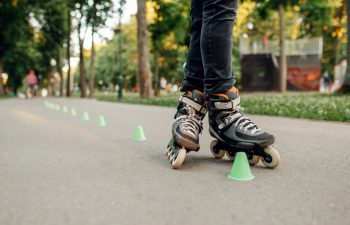
Freestyle Slalom skating focuses on performing tricks around specifically-placed obstacles. Although roller skates can be used, inline skates are the preferred choice. Because of their slim design, balance and distance are easier for most individuals. The obstacles usually consist of cones that are spaced 30 inches apart.
The Art of Inline Skating
Inline figure skating is an artistic activity that was once used for ice training. By using a flat surface, figure skating on inline skates can mimic ice skating in almost every way. Most wheels are a combination between certain aspects of roller skates and inline skates.
Inline skates designed for this particular art form usually have four wheels, but are still spaced in a vertical line. Skate frames can be attached to almost any skate boot for a safe fit.
Artistic inline skating has several disciplines. Freestyle skating is a popular form because of its solo routine. Individuals who perform freestyle can use jumps and spins to their own music. A Duo Free is similar, but requires two individuals.
Another popular art form that requires two people is the Couples Compulsory Dance. This form also requires two people, but is based around a dance that consists of patterned steps. Skaters must keep up with the given tempo, but no spins or tricks are required.
One of the most creative styles of artistic inline skating comes from the free dance category. Free dance involves an individual or couple dancing to their own music on skates. The choreography is crucial for this activity and any type of lift is welcome in the competition. In many cases, free dances are the final act.
Figures is one of the top disciplines in artistic skating. Performing figures is particularly difficult because of the structure. Figure circles are painted onto the surface of the rink and skates must be able to follow them perfectly. The official diameter is six meters for the larger circle and 2.4 meters for the smaller one.
Getting Started With Inline Skates
Inline skating for beginners does not have to be difficult. Learning the correct skating position and regular practice will make a significant difference in overall performance.
Before skating, an individual must be able to stand with confidence. A flat surface is much more preferable to grass or a carpet. The more surrounding space that is available, the better. Long stretches of pavement such as a driveway or a black top are popular spots for beginners. If these spaces aren’t available, empty parking lots can also work well.
Curves are inevitable. To turn correctly with inline skates, practice at low speed. For beginners, obstacles can be an effective way to practice shifting weight. Trash cans, cones, and chalk lines are frequently used when learning balance and agility.
Before skating in a specific sport or in public, learning how to brake is essential. Inline skates do not brake the same way as a bicycle. Braking requires practice and should be done on a regular basis until it feels natural. Beginners should not try to brake down a hill or other steep incline.
Skating Safety
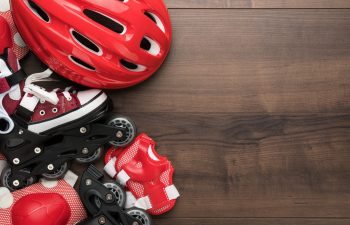
Inline skating safety is important for both beginning and advanced skaters. The basic safety gear for inline skating includes a helmet, elbow pads and knee pads. Since inline skates usually provide additional ankle support, there is no need for padded socks.
Both artistic and athletic skating are competitive sports that can potentially cause injury. With the right kind of equipment, skaters can minimize their risk of getting hurt. Knowing the basics can help when choosing the right boot and practicing techniques.