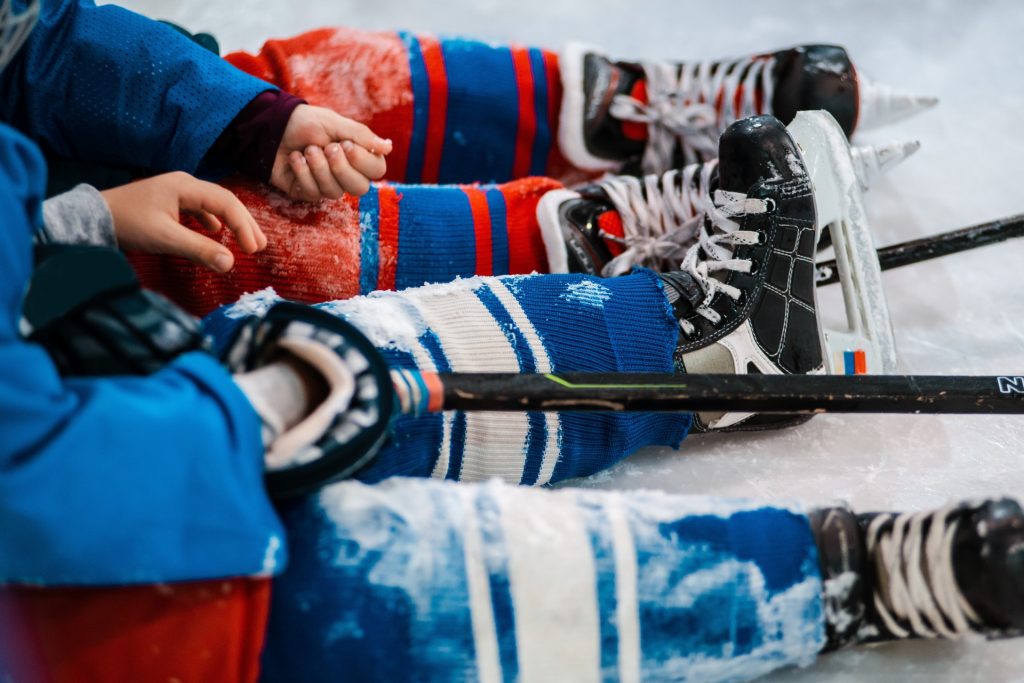
There’s no doubt that roller skating is one of the world’s most exciting sports. Throw in a puck and some good competition, and you have yourself hockey, a contact sport that’s even more exciting regardless of whether you’re on the rink or watching from the bleachers.
But for those beginners planning on trying it for themselves, what do they need to know? And what are the pros and cons? Here’s a quick rundown.
Inline Skates: A Primer
Specifically designed for speed skaters and roller hockey players, inline skates are characterized by their larger and thinner wheels that let the user maintain higher speeds for an extended period.
Widely used and gaining a lot of popularity in the last few years, inline skates are now preferred by many. Here’s a quick rundown of its many pros and cons, beginning with the former. Here are its pros:
Faster Speed
Although both roller skates and inline skates have similarly positioned wheels, inline skates tend to have larger and thinner ones, which help pick up more speed and distance. The result is a faster pair of skating shoes that speed skaters can benefit from.
Good Aerobic Exercise
As a sport, inline hockey offers a total body workout with both aerobics and anaerobic elements. The sport’s fast-paced nature is a good source of aerobic exercise for people, while the anaerobic factor lies in the reliance on all of our body’s major muscle groups. Done frequently, this can provide the body with an excellent all-around workout, which is beneficial for us in the long run.
Better Muscular Strength
As a sport, inline skating also constantly puts our core and leg muscles at work. This will help strengthen our muscles, which is something we can significantly benefit from later in life. Developing your core muscles also leads to better health and less likelihood to suffer from the disease.
Improves Your Balance, Agility, and Coordination
Any form of skating requires balance. However, inline skating requires a bit more due to the thinner wheelset. As such, getting good in more advanced skills like skating backward, cross-overs or even learning hockey will improve your coordination, balance, and agility without you even noticing.
Helps Burn Calories
Riding inline skates can be pretty demanding on the body, which is why the sports associated with it are considered good workouts. In turn, this helps burn many calories, which are great for people who want to lose weight or stay in shape. It also helps turn fat into muscle, toning your body in the process.
No Skating Rink Needed
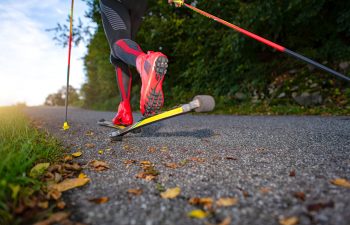
Another great benefit is that inline skates can be used anywhere, including the rink, the streets, or through parks specifically designed for skaters. This is all thanks to the softer wheels found in inline skates built to get a better grip on the terrain outdoors, which isn’t always flat or smooth. This versatility is also advantageous for players who want to practice anywhere.
That said, inline skating has its fair share of cons, including:
Higher Risk of Injuring Oneself
Depending on your skill level, the characteristics that separate inline skating from others can also increase your likelihood of injury. For instance, the thinner wheels may make it harder to balance, while its faster speed can lead to crashes. Additionally, you can also hurt other people in the process. That said, practicing appropriately and making sure your form is correct can help avoid this.
Challenging Learning Curve
If inline skating is your introduction to skating, then the learning curve will be steeper. Also, due to the wheel placement and their thinner radius, it can be harder to balance, especially if you’re a first-timer.
Can be Especially Risky for the Knees and Hips
If your form is not good, then it’s likely that you could put a lot of stress on your knees and hips. This would result in worn tendons, which can cause pain and inflammation that can steadily worsen over time.
Not a Lot of Safe Places to Skate
Thankfully, the number of skate parks has increased over the years. However, many communities and neighborhoods still lack such infrastructure, increasing entry barriers for beginners interested in the sport.
Conclusion
Like most sports, inline skating has its own set of pros and cons. But while the pros definitely outweigh the cons, it still depends on the person and their willingness to learn. However, those who take the time to learn it will be rewarded with a fast-paced and workout-friendly sport at the end.