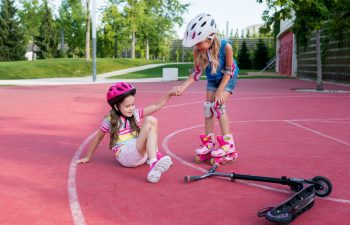
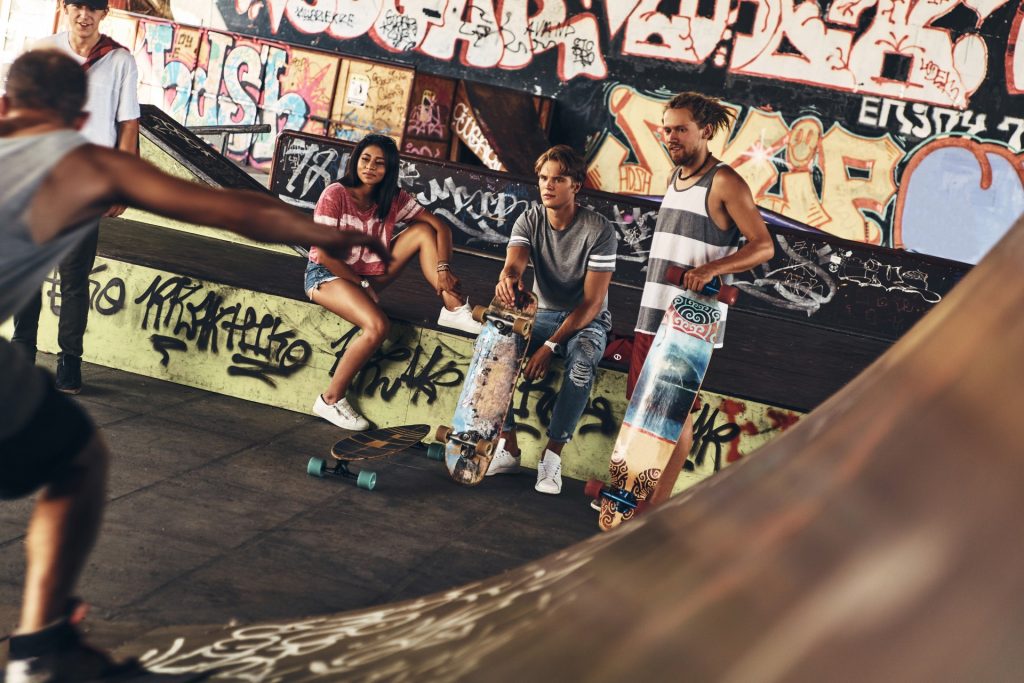
Inline skating can be defined as a multitude of activities that are practiced using inline skates. These inline skates have two to five wheels, which are arranged on a plastic or a metal frame beneath the boot. The wheels are arranged in a straight line, which helps one to maneuver around and it is also best for speed. Inline skating is also known as proprietary eponym or rollerblading.
For the past one year, most of the people have been talking about roller- skating. This is due to the increased interest roller-derby culture since the pandemic has made outdoor environment the best place to be. Rollerblades have, therefore, made a comeback from the 90s. if you ever used the rollerblade from the 90s, then you can be guaranteed to experience a better feel from the modern options. Today rollerblades are more convenient and more comfortable since they are modified to be used in different road conditions and different levels.
When investing in a pair of rollerblades, you need to consider some factors such as the frame length, the numbers of the wheels, the wheel size and the cushiness or stiffness of the boot and not forgetting the maneuverability. Experts have advised that if one is a beginner in skating, you are required to put on a helmet, knee pads and a pair of gloves. This is because of the fact that as a beginner, you are prone to more accidents since you are not used to the rollerblades. Robinson says that Triple8 and Si helmets are one of the best brands since they give more protection than a bike helmet.
New skaters are also advised to avoid uneven or rough pavements and downhills. They are also warned not to pick up speed in a fast manner because it is very difficult to brake. Robinson says that a flat, smooth, path is the best place to practice skating. People who are interested in skating can approach skating instructor Arnav who is a member at the Empire Skate Club of New York.
In 1978, SKF produced and developed inline skates that were used for playing hockey or were used in the streets for fun. One year later, the product supply was stopped since the management did not want a consumer product appearing in its portfolio. More inline skates were produced and used for ice skates. A photo of American skater, Erick Heiden, was published by Life Magazine while he was wearing the inline skates while practicing for the 1980 Olympics.
In the 1980s, a group of ice hockey players from Minnesota in Minneapolis, were trying to figure out a way of practicing during summer and lucky enough, they found the inline skates. Brennan Olson and Scott formed a company by the name Rollerblade. This company sold skates with four polyurethane wheels and were arranged in a vet straight line beneath the padded boot. In 1984, they later sold the company to Bob Naegele jr., who made it aware to the public and this made him make a lot of money. In this article, we are going to discuss the various types of skating.
1.AGGRESS INLINE SKATING
Aggressive skating is also known as blading, rollerblading, rolling or skating. Aggressive skates are designed to accommodate grinds and jumping large gaps. These skates are identifiable by the gap that is in between the third and second wheel, which is known as H-Block. This gap allows one to grind perpendicular to the route of the wheels. The skates are designed to have a sole plate that is made of hard plastic. It is because of this sole that one is able to grind in the direction of the rollers. Aggressive skates have a smaller wheel compared to traditional rollerblades. The advantage of this small wheels is that it grants more flexibility when grinding since they rarely catch an obstacle.
2.FIGURE/ARTISTIC SKATING
Artistic roller skaters can either use inline skates or quad. The sport is similar to its copy on ice though it is cost effective in warmer climates. This type of skating has been in the world championships from 2002.
3. RECREATIONAL/FITNESS SKATING
Recreational skaters are mostly used to skates on bike lanes, roads, or even paved trails. Fitness skaters can be used for transportation, skating with friends, fitness, or taking part in organized events. Urban areas have various social groups so as to make skating safer since towns have more risks from traffic. Fitness skaters normally skate for long distances and more frequently. These skates have a faster bearing and the wheels are large so as to generate more speed. On average, skaters in this class skate for 10-15 mph.
4. FREESTYLE SKATING
This is a form of rollerblade skating that is achieved on flat ground. They are in general disciplines for which the events are arranged by the International Freestyle Skaters Association. As of today, the IFSA has outlined three disciplines that must be given by any competition that they approve. These disciplines are speed slalom, freestyle slalom, free jump, jam and high jump.
5. VERT SKATING
Vert skating is gymnastics that is performed by the use of skates. The importance of this skates is to perform flips or spins and to ride higher much more than the coping. It specifies more on the complicated maneuvers like the flips and spins. The main purpose of this skater is to generate speed that helps in aerial acrobatics moves. In case of competition, the skaters do not have a lot of time to impress the judges with their difficult tricks and numerous moves.
6. SPEED SKATING
This type of skating is also known as the inline racing. It is the sport of skating that is mainly done on a flat surface like the roller-rinks with the aim of defeating their competitors time score and finish at the top.
7. ALPINE SKATING.
The existence of this type of skating is based on skiing, and this is because it is mostly practiced in the months of summer. However, the skaters are able to skate even when there is no snow.